

Why Wellbeing Makes a Better Summer Party
Every year, the summer party conversation starts the same way. Someone books a venue, someone else worries about the budget, and by the time it’s over, half the team had a good time and half didn’t. Sound familiar?
More companies are rethinking the summer party entirely — not cancelling it, but asking a better question: what do we actually want our people to walk away feeling?
The problem with the traditional summer party
A bar tab and a DJ aren’t inherently bad. But they tend to work for some people and alienate others. They’re rarely inclusive across the whole team, they don’t leave anyone feeling better in any lasting way, and they’re often forgotten by Monday.
Wellbeing events are different. They’re designed to be experienced, not just attended.
What a wellbeing summer event actually looks like
Think of it less like a party and more like a day your team genuinely looks forward to. That might mean:
Chair massage stations where people drop in between meetings or during a dedicated session — immediate, tangible, universally appreciated
Nail treatments — a small luxury that makes people feel looked after
Yoga or sound bath — grounding, calming, and a genuine break from screen time
Art therapy or still life drawing — creative, relaxing, and surprisingly popular with people who “don’t do art”
Mix and match based on your team size, budget, and vibe. We do everything from single-service pop-ups to full-day multi-station events.
Can you do both?
Absolutely. Wellbeing and celebration aren’t mutually exclusive — in fact, they work brilliantly together.
One of our favourite formats is a wellness session earlier in the day to get everyone feeling their best before the party begins. Picture your team settling into chair massage in the afternoon, tension melting away before the evening kicks off. Or a nail bar running alongside drinks and canapés, so people arrive at the party feeling polished, pampered, and genuinely ready to celebrate.
It’s the kind of detail that turns a standard work night out into something people actually look forward to — and talk about long after. A treat that says we thought about you, before the party even starts.
The business case (if you need one)
Wellbeing events generate far less post-event awkwardness than alcohol-led nights out. They’re inclusive by design. They give you something to talk about in your next internal communications, ESG report, or employer branding content. And honestly? People remember them.
Ready to plan something different this summer?
We work with companies across London and beyond — from Google and British Airways to growing scale-ups — to create workplace wellness events that people actually talk about afterwards.
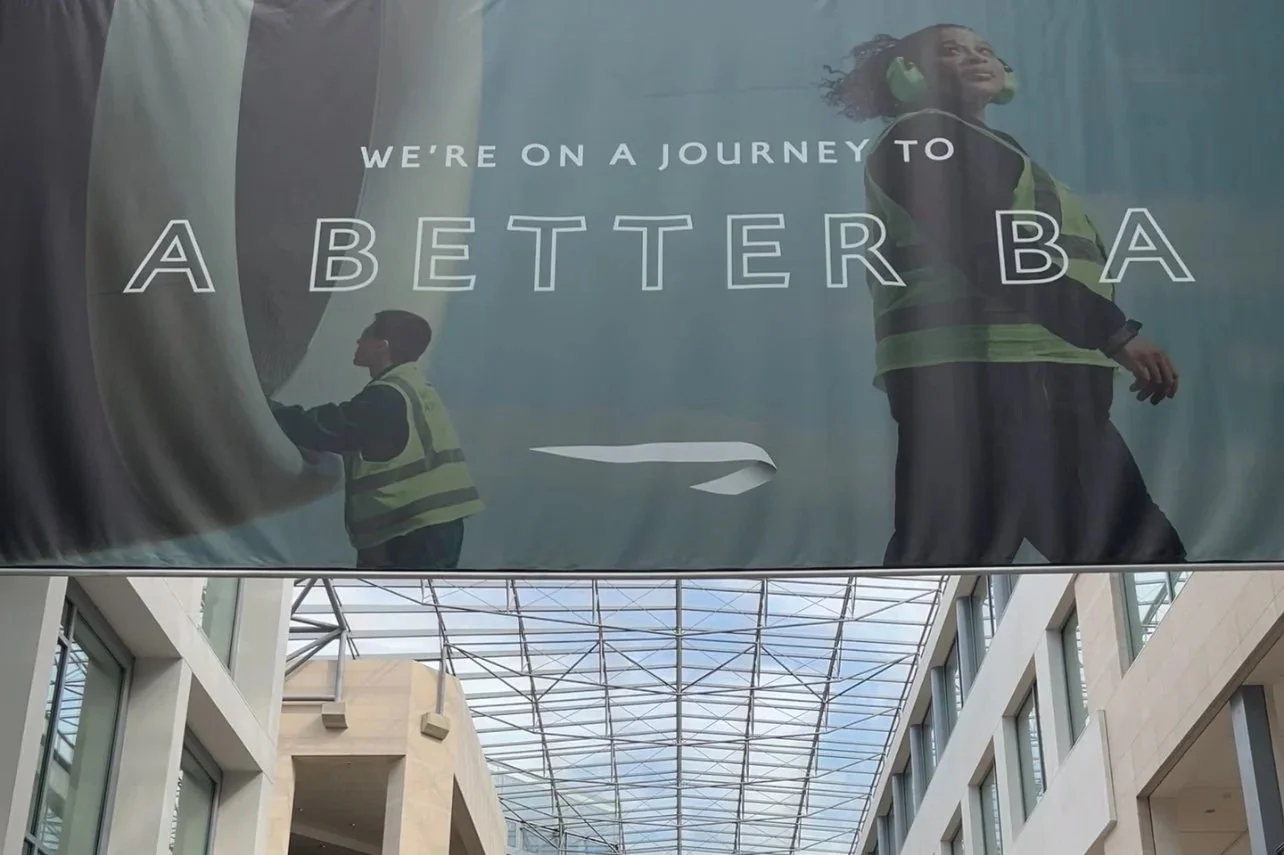
Why Wellbeing in Aviation Matters — And How Pamper Puff Is Making a Difference at British Airways
Working in aviation is exhilarating. But it’s also relentless. Whether you’re managing flight operations, working across global time zones, handling passenger experience, or keeping the business running behind the scenes, the demands on airline staff are unlike almost any other industry. Shift patterns are unpredictable, pressure is high, and the pace rarely lets up.
At British Airways, they understand that when their people feel good, everything works better. That’s why, since 2021, Pamper Puff has been a regular feature of their workplace wellbeing programme — bringing on-site massage and nail bar services directly to their teams.
The Challenge of Wellbeing in a High-Pressure Industry
Aviation employees face a unique cocktail of stressors: irregular hours, physical fatigue, emotional demands, and very little time to decompress during a working day. Traditional wellbeing strategies — gym memberships, apps, webinars — can feel disconnected from the reality of the working environment. What employees actually need is something they can access easily, during the working day, that delivers genuine relief.
That’s where on-site wellness comes in.
What Pamper Puff Brings to British Airways
Since 2021, our therapists have been visiting British Airways teams to deliver chair massage and nail bar treatments as part of their corporate wellness days. These aren’t superficial perks — they’re moments that genuinely reset the nervous system, ease physical tension and give people a real opportunity to switch off, even briefly, in the middle of a demanding day.
The feedback from BA staff speaks for itself. One team member at Terminal 5 shared:
“I work for British Airways and having this service provided to us is something very special. Even after just 20 minutes I feel totally rejuvenated.”
Another BA employee wrote:
“Alison was amazing, made me feel totally relaxed during my crazy shift at British Airways.”
And from a member of the British Airways crew at Gatwick:
“The girls did our treatments at Gatwick for the British Airways crew and it was amazing. They were so lovely and friendly and it was a real treat for us. It would be amazing if they could come back and do some more!”
More Than a Moment — A Meaningful Break
What stands out in the feedback from BA staff is how much these sessions matter within the context of a demanding working day. One reviewer captured it perfectly:
“BA has treated us with this lovely pampering day and it’s been a great experience. Alison has done a brilliant back, arm and head massage — my great finish of the day at work. Ready to go home and do my family bits now. Please can we have it more often!”
Another noted the dual benefit of massage and manicure together:
“I had a massage and a manicure. What a lovely experience — the massage made me feel so refreshed and the nail polish looks great. I felt really pampered and special.”
These aren’t just nice moments. They’re proof that when employers invest in tangible, hands-on wellness, staff genuinely feel it.
The Impact Over Time
Four years of regular partnership with British Airways means we’ve seen firsthand the difference consistent wellbeing investment makes. Teams who experience regular on-site wellness sessions feel more appreciated, more connected to their colleagues, and better equipped to manage day-to-day pressures.
One of the most telling signs of impact? Staff asking for more. As one BA team member put it: “Great manicure and lovely to have an opportunity to have a break at work — would love to see you back more regularly at BA.”
When people are counting down to their next session, you know the programme is working.
Why On-Site Wellness Is the Future of Corporate Wellbeing in Aviation
The aviation sector is increasingly recognising that staff retention, morale and mental health are as operationally critical as any logistical challenge. Investing in wellbeing isn’t a nice-to-have — it’s a strategic priority.
Bringing wellness directly into the workplace removes every barrier to access. No commuting to a gym. No booking an appointment outside of work hours. No guilt about stepping away from the desk. It sends a clear message from leadership: your health and happiness matter here.
At Pamper Puff, we’ve built our entire model around making that message easy to deliver. Our expert therapists are professional, discreet and experienced in high-profile corporate environments. We handle everything — so your people team can focus on what matters most.
Interested in Bringing Pamper Puff to Your Team?
Whether you’re in aviation, finance, tech or beyond, we’d love to help you build a wellbeing programme your team will actually look forward to. Get in touch to find out how we can support your people.
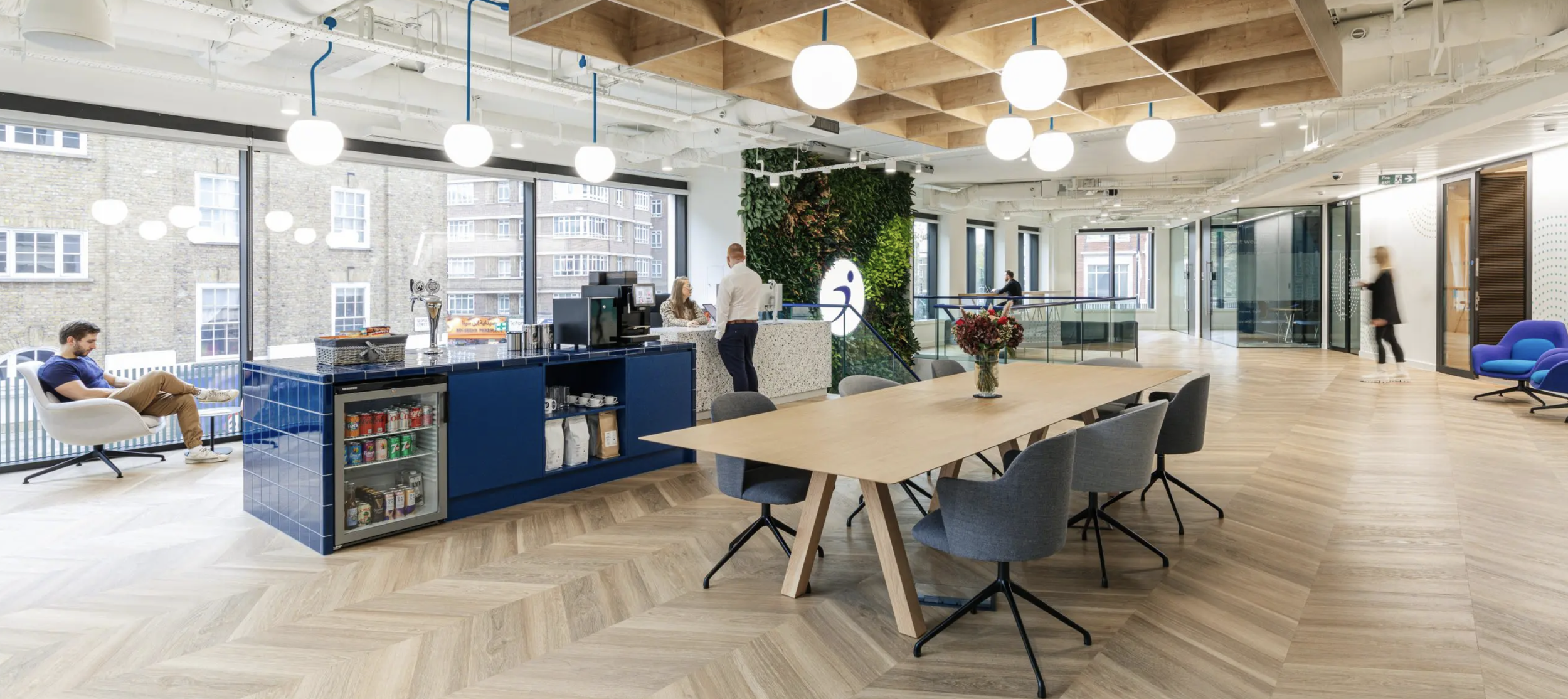
Why Smart Pension Is Setting the Gold Standard for Workplace Wellbeing
In a world where employee burnout is on the rise and talent retention is harder than ever, some companies are quietly getting it very right. Smart Pension is one of them — and as a workplace wellbeing company, we at Pamper Puff think they deserve a moment in the spotlight.
Smart Pension’s mission is to transform financial wellbeing for people across generations. But what we love is that they’ve turned that same forward-thinking energy inward, investing in the health and happiness of their own team in a way that goes far beyond a fruit bowl in the kitchen.
Here’s what their wellbeing calendar looks like in practice: every week, staff enjoy access to a nail bar and massage treatments — a regular moment of rest and restoration built into the working week. Monthly, there’s a barber service on-site, ensuring the whole team feels looked after. And as the seasons change, so does the experience — from sound baths to wreath making, Smart Pension creates moments of joy and connection throughout the year.
This isn’t wellness as a tick-box exercise. This is wellness as a culture.
What makes Smart Pension’s approach so impressive is the consistency. One-off events are lovely, but they don’t change how people feel about coming to work on a Tuesday in February. Weekly nail and massage sessions mean staff have something to look forward to every single week. That regularity builds trust — it tells employees: we see you, we value you, and we’re committed to showing up for you.
The variety matters too. Seasonal events like sound baths speak to mental and emotional wellbeing, while wreath making and social activities nurture creativity and connection. The monthly barber ensures that no one is left out. Together, these touchpoints create a wellbeing programme that feels genuinely inclusive and thoughtfully curated.
The business case is clear: companies that invest in their people see lower absenteeism, higher engagement, and stronger retention. But beyond the numbers, there’s something simpler at play. People do their best work when they feel valued. Smart Pension clearly understands that.
At Pamper Puff, we partner with companies who want to build exactly this kind of culture — one where wellbeing isn’t a perk, it’s a priority. Whether you’re starting with a monthly massage day or building out a full seasonal wellbeing calendar, we’re here to help you create something your team will genuinely look forward to.
Smart Pension has set the bar. The question is: who’s next?
Want to bring regular wellbeing to your workplace? Get in touch with the Pamper Puff team today.
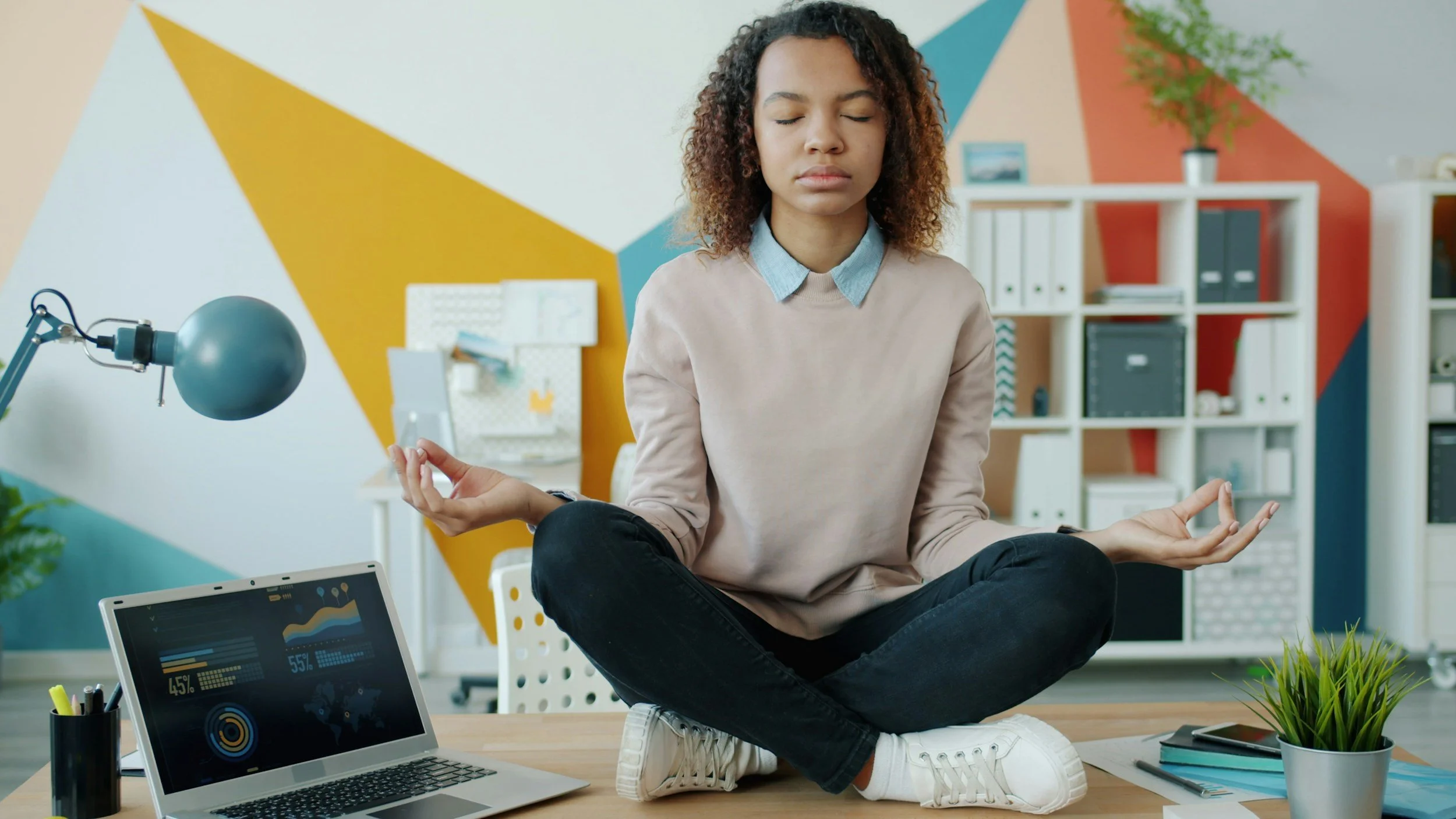
More Than a Perk: Making Mental Health a Workplace Priority
May is Mental Health Awareness Month — a timely reminder that the wellbeing of your workforce isn’t just an HR initiative. It’s the foundation of everything: productivity, creativity, retention, and culture. This year, we’re encouraging our clients to move beyond token gestures and think about what genuine, felt support really looks like in the workplace.
Why This Month Matters.
Mental health challenges are more prevalent in the workplace than many employers realise. Stress, anxiety, and burnout don’t clock out at 5pm — and for many employees, the workplace itself is a significant source of pressure. The good news? The research is clear: when companies invest meaningfully in employee wellbeing, everyone benefits.
1 in 6 UK workers experience mental health issues each week. Poor mental health costs UK employers an estimated £56bn annually. And for every £1 invested in employee mental health, companies see a return of around £5. These aren’t abstract figures — they represent real people on your team. Mental Health Awareness Month is the perfect moment to pause, reflect, and take concrete action.
What Meaningful Support Actually Looks Like.
There’s a world of difference between putting a poster up in the kitchen and genuinely embedding wellbeing into your culture. Here are some of the most impactful things companies can do — this May and beyond.
Create Space to Breathe
On-site yoga, guided meditation, or mindfulness sessions give employees a moment to reset — and signal that rest is not a weakness, it’s a strategy.
Normalise the Conversation
Wellness workshops that open dialogue around stress, resilience, and mental health help dismantle stigma — which is often the biggest barrier to people seeking support.
Celebrate Your People
A chair massage, a manicure, a flower arranging afternoon — small acts of recognition go a long way in showing staff they are genuinely valued.
Offer Creative Outlets
Art therapy, still life drawing, or a glass of wine paired with good conversation — creative experiences reduce cortisol levels and bring teams together in a relaxed, authentic way.
“Wellbeing isn’t something you do once a year. But Awareness Month is a brilliant catalyst — a reason to start, or deepen, your commitment to the people who make your business what it is.”
Ideas for a Wellness Month Programme.
You don’t need a huge budget to make Mental Health Awareness Month feel meaningful. What matters is intentionality and consistency. Here are some ideas for structuring a month-long initiative:
Week 1 — Start the Conversation
Kick off the month with a wellness workshop focused on stress awareness or resilience. Bring in a coach or facilitator to lead the session, and create a safe, open environment for team members to reflect and share. Our coaching partner Sue Cheung specialises in exactly this kind of work.
Week 2 — Move & Restore
Introduce a lunchtime yoga or meditation session on-site. Even a single 45-minute class mid-week can shift the energy of an entire office. For teams that are newer to mindfulness, guided breathing sessions are a wonderfully accessible starting point.
Week 3 — Pamper & Celebrate
Treat your team to something indulgent. On-site chair massages are one of the most popular and impactful wellbeing treats we offer — employees leave feeling genuinely cared for. Pair with a manicure pop-up for a full afternoon of self-care that doubles as a team-bonding experience.
Week 4 — Connect & Create
Round off the month with something social and creative — a flower arranging workshop, a still life drawing class, or an art therapy session. These experiences have a beautiful dual effect: they’re calming and restorative individually, but wonderfully connective as a group. Add a wine and cheese tasting to close out the month on a celebratory note.
A Note on Culture.
Events and experiences are powerful, but they work best as part of a broader culture that genuinely values people. That means managers who check in without judgement. Flexible policies that acknowledge life happens. And leadership that models self-care rather than glorifying overwork.
Mental Health Awareness Month is an invitation to start — or recommit. The companies that will attract and retain the best people in the years ahead will be those who treat wellbeing not as a nice-to-have, but as a core part of what it means to work there.
Your team deserves to feel good at work. Let’s make that happen.
Ready to Show Your Team Some Love?
Let’s build a bespoke wellbeing day or month-long programme for your office.

Stress Awareness Month: Why Smart Companies Are Investing in On-Site Wellness
April is Stress Awareness Month and in today’s working world, that feels less like a calendar moment and more like a constant reality.
Between global uncertainty, digital overload, and increasing performance pressure, stress isn’t just an individual issue anymore. It’s a workplace one. The companies paying attention are shifting from reactive support to proactive design, building environments where employees can actually regulate, reset, and perform.
That’s where on-site wellness comes in.
April is Stress Awareness Month and in today’s working world, that feels less like a calendar moment and more like a constant reality.
Between global uncertainty, digital overload, and increasing performance pressure, stress isn’t just an individual issue anymore. It’s a workplace one. The companies paying attention are shifting from reactive support to proactive design, building environments where employees can actually regulate, reset, and perform.
That’s where on-site wellness comes in.
Why stress needs more than a policy
Most companies say they care about wellbeing. Fewer create space for it.
Offering mental health resources is important, but when stress is happening in real time, tight deadlines, back-to-back meetings, long hours at a desk, support needs to meet people where they are.
On-site wellness does exactly that. It brings the reset into the workday, making it accessible, normal, and part of company culture rather than something employees have to seek out on their own time.
Massage: fast, effective nervous system reset
Chair massage is consistently one of the most popular workplace wellness offerings, and for good reason.
In as little as 10 to 15 minutes, it can:
Reduce muscle tension from desk work
Lower stress and anxiety, as shown in the International Journal of Neuroscience
Improve circulation and energy levels
Help employees feel immediately calmer and more focused
It’s low effort, high impact. A tangible way to interrupt stress before it builds into burnout.
Yoga: building resilience, not just relaxation
Workplace yoga is not about turning your office into a studio. It is about giving teams practical tools to manage stress.
Sessions can be tailored to suit all levels and time constraints, focusing on:
Breathwork to regulate the nervous system
Gentle movement to release physical tension
Short sequences that counteract desk posture
Mental clarity and focus
A systematic review published in Occupational Medicine found that yoga interventions significantly reduced perceived stress and improved overall wellbeing. There is also evidence from a workplace medical yoga study on ScienceDirect showing improvements in stress levels and work ability.
Done regularly, yoga helps employees move from reactive to regulated, which has a direct impact on how they communicate, make decisions, and handle pressure.
Nail bars: the underestimated wellbeing tool
Nail treatments might not be the first thing that comes to mind when thinking about stress reduction, but they are one of the most effective ways to create a sense of pause.
They offer:
A moment of stillness in an otherwise busy day
A low-pressure, social experience that builds team connection
A visible, lasting boost, small but impactful
Research into self-care and wellbeing shows that small, repeated acts of care can improve mood, reduce stress, and increase overall wellbeing. That is part of why treatments like office nail bars can be so effective. They create an easy, enjoyable way for people to pause and feel looked after during the working day.
Importantly, they are inclusive. Not everyone wants to stretch on a mat or talk about stress, but almost everyone can enjoy sitting down for 20 minutes and being looked after.
From perk to strategy
The most forward-thinking companies are not treating wellness as a one-off perk. They are using it as a retention and performance strategy.
A study on employee wellbeing and workplace outcomes found that higher levels of employee wellbeing are linked to increased productivity, lower absenteeism, and improved retention.
When employees feel:
Valued
Supported
Given space to reset
They are more engaged, more productive, and more likely to stay.
In a competitive hiring landscape, that matters.
Designing a less stressful workplace
Stress is not something you can eliminate completely. But you can design around it.
Small, consistent interventions, a weekly yoga session, a rotating chair massage day, a monthly nail bar, create rhythm, anticipation, and relief within the workweek.
Over time, that shifts culture.
This Stress Awareness Month, the question is not whether your team is feeling the pressure. It is what you are doing about it.
Pamper Puff brings on-site massage, yoga and nail bars directly into the workplace, making wellbeing easy, visible, and genuinely impactful.
If you are thinking about supporting your team this April and beyond, we would love to help.
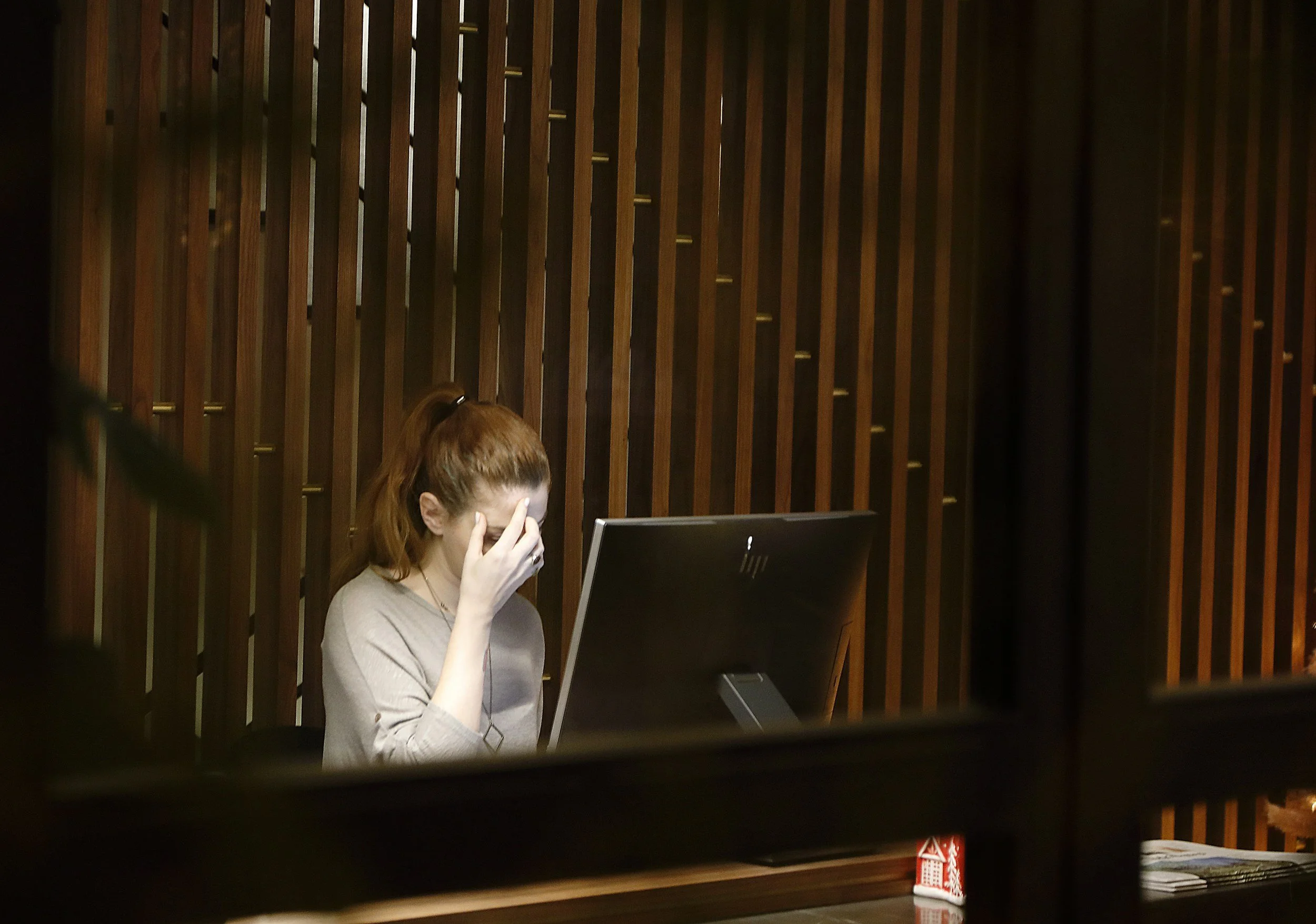
How to Make Employees Feel Looked After in an Uncertain World
In 2026, uncertainty isn’t limited to the workplace — it’s part of everyday life.
From rising living costs to global political instability, many employees are carrying a quiet, ongoing level of stress. Even when everything appears “business as usual”, this underlying pressure can affect focus, energy and emotional resilience.
This is why corporate wellness is evolving.
Introduction
In 2026, uncertainty isn’t limited to the workplace: it’s part of everyday life.
From rising living costs to global political instability, many employees are carrying a quiet, ongoing level of stress. Even when everything appears “business as usual”, this underlying pressure can affect focus, energy and emotional resilience.
This is why corporate wellness is evolving.
It’s no longer just about perks or policies.
It’s about creating environments where employees feel genuinely looked after during the working day.
What Does “Feeling Looked After” Mean at Work?
Feeling valued at work goes beyond salary, benefits, or occasional wellbeing initiatives.
It shows up as:
Thoughtful, human-centred workplace culture
Small, consistent moments of care
A sense that wellbeing is considered, not an afterthought
Employees don’t expect workplaces to solve external stress.
But they do notice when a company helps them feel supported within it.
Why Corporate Wellness Matters More Than Ever
In an environment shaped by economic pressure and wider global uncertainty, people naturally look for:
Stability
Consistency
Psychological safety
Workplaces that prioritise employee wellbeing are more likely to see:
Higher retention
Stronger engagement
Better team communication
👉 How employees feel directly impacts how they perform and whether they stay.
The Problem with Traditional Workplace Wellbeing Initiatives
Many corporate wellness programmes still focus on:
One-off events
Annual talks
Reactive support after burnout
While helpful, these approaches rarely improve the day-to-day employee experience, where stress actually accumulates.
To meaningfully support employees, companies need to shift from:
Occasional initiatives → to → ongoing, embedded care
What Actually Helps Employees Feel Supported
The most effective workplace wellbeing strategies are often simple and repeatable.
Employees feel looked after when there are:
Regular, encouraged breaks
Opportunities to step away from screens
Experiences that shift how they feel physically and mentally
Moments that feel personal, not purely performance-driven
These aren’t luxuries, they are practical tools for sustaining energy and focus.
The Role of Small, Daily Wellness Rituals
Short, consistent resets are more effective than occasional large interventions.
Examples include:
10-minute hand or shoulder massages
Creative, tactile breaks (drawing, colour, texture)
Structured pause moments during the day
These experiences:
Interrupt stress cycles
Support nervous system regulation
Improve concentration and clarity
Even a brief reset can significantly change how someone feels for the rest of the day.
A More Human Approach to Workplace Culture
Forward-thinking companies are shifting from asking:
“How do we increase productivity?”
To:
“How do we support people while they’re here?”
Because sustainable performance comes from:
feeling calm enough to think clearly
feeling supported enough to engage fully
Practical Corporate Wellness Ideas for UK Workplaces
To improve employee wellbeing in a meaningful way:
Offer in-office wellness experiences (massage, nail care, creative workshops)
Encourage protected, regular breaks
Introduce sensory or calming elements into the workspace
Provide consistent wellbeing touchpoints, not one-off events
Consistency matters more than scale.
Conclusion
In an uncertain world shaped by constant change and global political instability, employees don’t expect workplaces to fix everything.
But they do value environments where they feel:
considered
supported
able to pause, even briefly
Corporate wellness today is about creating small, reliable moments of care that help people feel steady,even when the wider world is not.
International Day of Happiness: 10 Small Things That Bring Joy to the Workday
On 20 March, the world celebrates the International Day of Happiness, an initiative established by the United Nations to recognise that wellbeing, connection and life satisfaction are essential human goals.
In the workplace, happiness is rarely the result of one big programme. It usually comes from small shared experiences that break up the workday and remind people they’re part of a team.
For companies thinking about culture and morale, International Day of Happiness is the perfect excuse to experiment with simple ideas that make the office feel lighter, warmer and more human.
Here are 10 easy ideas organisations can try.
1. Host a team pot luck lunch
Invite everyone to bring a dish from home to share. Pot luck lunches naturally spark conversation, introduce colleagues to each other’s cooking and create a relaxed mid-day gathering that feels celebratory rather than corporate.
2. Organise an afternoon chocolate tasting
A table of good chocolate — dark, milk, maybe something unusual — can turn the afternoon slump into a moment of delight. Encourage people to step away from their desks and try a few pieces together.
3. Run a short office yoga session
A 20–30 minute yoga class during the workday helps teams stretch, breathe and reset after long hours at a desk. Even beginners can join, and the shift in energy afterwards is often noticeable.
4. Try a still life drawing workshop
Creative workshops allow teams to engage a different part of the brain. A relaxed still life drawing session can be surprisingly calming, giving colleagues permission to slow down and focus on something tactile and visual rather than digital.
5. Bring in chair massage for the afternoon
Short chair massage sessions are one of the easiest ways to help employees physically reset during the workday. Ten minutes can release shoulder tension, improve circulation and leave people feeling refreshed.
6. Start a “gratitude wall” for the day
Set up a board where people can leave small thank-you notes for colleagues. These tiny acknowledgements often create a surprisingly warm atmosphere across the office.
7. Take meetings outside
If the weather allows, encourage teams to take walking meetings or step outside for coffee. Fresh air and movement can lift mood and unlock more creative conversations.
8. Introduce a mid-afternoon “pause moment”
Encourage everyone to step away from screens for ten minutes at the same time — whether for tea, stretching or simply chatting in the kitchen.
9. Create a seasonal office ritual
Something small like Friday pastries, a monthly lunch or a shared playlist can become a ritual teams genuinely look forward to.
10. Bring wellness experiences into the workplace
Perhaps the simplest idea is to make wellbeing easy to access during the workday. When relaxing or creative experiences happen inside the office, people are far more likely to participate.
At Pamper Puff, we specialise in bringing these moments directly to teams — from on-site nail bars and chair massage to creative still life workshops that help employees pause, recharge and reconnect with colleagues.
Because workplace happiness rarely comes from grand gestures.
Nails as a Retention Strategy: The Small Workplace Perk That Makes a Big Difference
In the conversation about workplace wellbeing, the focus often falls on big initiatives: gym memberships, large wellbeing budgets, or complex programmes. Yet many of the most effective retention strategies are surprisingly simple. Small, regular moments of care can have an outsized impact on how people feel about coming to work.
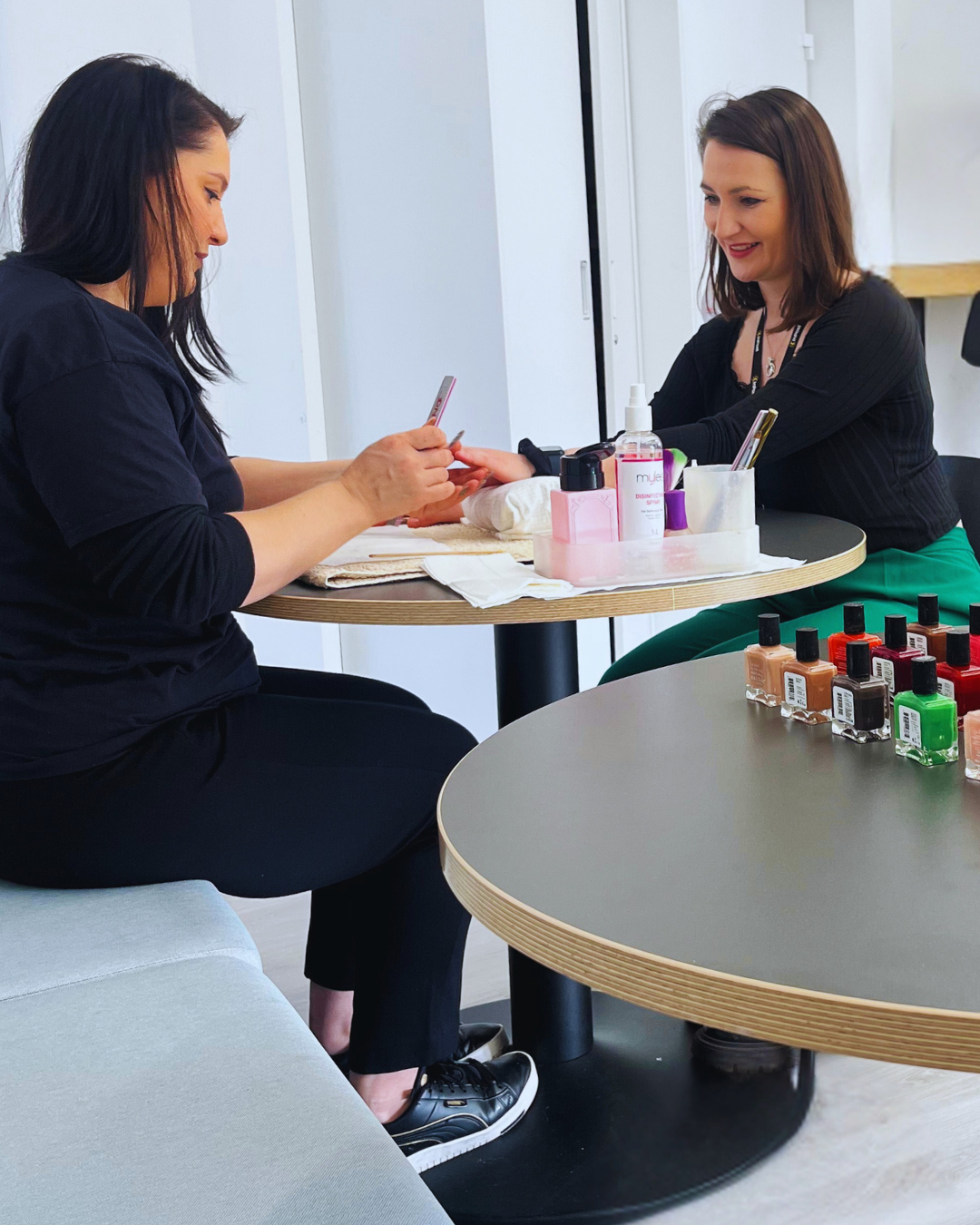
One of the most quietly effective? An in-office nail bar.
In the conversation about workplace wellbeing, the focus often falls on big initiatives: gym memberships, large wellbeing budgets, or complex programmes. Yet many of the most effective retention strategies are surprisingly simple. Small, regular moments of care can have an outsized impact on how people feel about coming to work.
One of the most quietly effective? An in-office nail bar.
The Retention Problem Companies Are Facing
Employee retention has become one of the biggest challenges for organisations navigating hybrid work. When people have the option to work from home, the office needs to offer something more than just desks and meetings.
Research consistently shows that workplace wellbeing and feeling valued are closely linked to retention. A Gallup report on employee engagement found that employees who feel cared for at work are significantly more likely to stay with their organisation. Meanwhile, CIPD research on employee retention highlights workplace culture and wellbeing support as key factors influencing whether people remain in their roles.
The challenge is that culture cannot simply be announced in a company-wide email. It has to be experienced.
Why Small Moments of Care Matter
Retention is not built in annual reviews or one-off wellbeing weeks. It is built in the small signals employees receive about how much their workplace values them.
Behavioural research suggests that frequent, positive micro-experiences in the workplace help strengthen emotional attachment to organisations. A study on workplace experiences and wellbeing found that small positive events during the workday can significantly improve mood and job satisfaction.
In other words, a twenty-minute break that leaves someone feeling relaxed and looked after can change how they feel about the entire workday.
Why Nail Bars Work So Well in Offices
Nail stations are one of the most popular services in workplace wellbeing programmes, and for good reason.
They are quick, social, and genuinely enjoyable. Unlike many wellbeing initiatives that require commitment or fitness levels, nail treatments are accessible to everyone and fit easily into a lunch break.
They also offer something workplaces often struggle to create organically: relaxed conversation. Sitting at a nail bar naturally encourages people to pause, chat, and connect. Those small interactions help build the sense of community that makes people want to stay.
From a practical perspective, nail bars also work well in office environments because they are:
Time-efficient — treatments fit into short breaks or between meetings
Highly visible — creating a positive buzz in the office
Inclusive — open to anyone regardless of fitness level or experience
Low disruption — quiet, compact setups that work within office spaces
The Psychology of Feeling Valued
Retention is deeply tied to recognition and appreciation. Employees who feel seen and supported are far more likely to remain loyal to their organisations.
According to the American Psychological Association’s Work in America report, workers who feel supported in their wellbeing report higher job satisfaction and stronger intentions to stay with their employer.
Importantly, these feelings often arise not from large benefits packages but from consistent signals that a company cares about its people.
A nail station in the office may seem small, but the message it sends is powerful: your wellbeing matters here.
Turning Wellbeing Into a Workplace Experience
Corporate wellness works best when it is tangible. Something people can see, experience, and talk about.
This is why experiential services — from chair massage to creative workshops and nail stations — are becoming increasingly popular as part of workplace wellbeing strategies. They create moments employees actively look forward to, rather than initiatives that sit quietly on a benefits portal.
When wellbeing becomes part of the everyday office experience, it strengthens culture, improves morale, and helps companies retain the people they value most.
A Different Approach to Workplace Wellbeing
At Pamper Puff, our Desk Retreat concept brings these moments directly into the workplace through in-office nail bars, chair massage, and creative workshops designed to support focus, morale, and connection.
Because sometimes the smallest perks are the ones people remember most — and the ones that quietly make them want to stay. 💅
Corporate Yoga at Work: Why Structure Matters More Than You Think
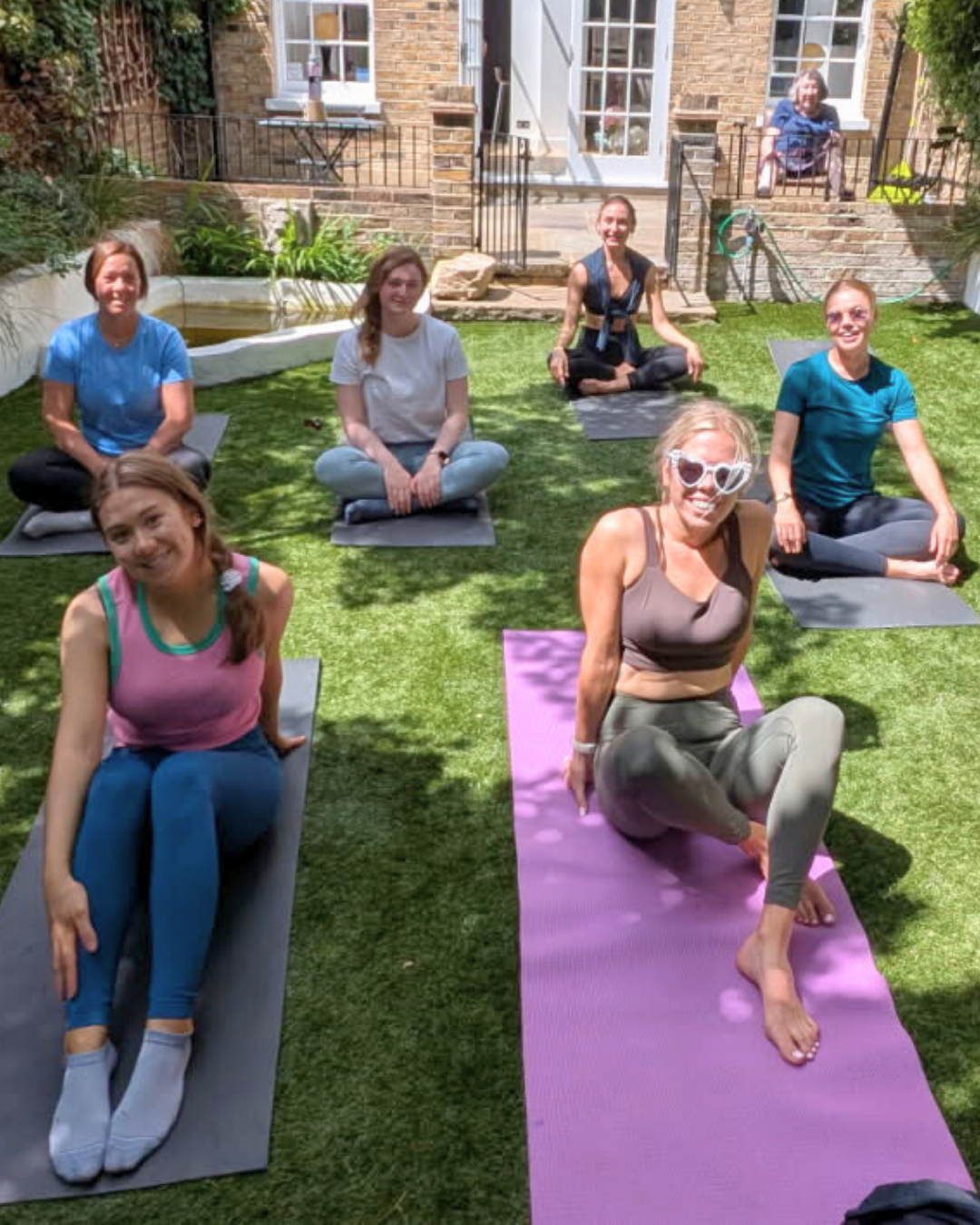
Corporate yoga is often described as a soft perk. The research suggests something far more practical. When delivered consistently — and structured intelligently — it can measurably reduce stress, improve musculoskeletal health and support sustained cognitive performance in desk-based teams.
The difference between a token class and a meaningful intervention comes down to format.
Corporate yoga is often described as a soft perk. The research suggests something far more practical. When delivered consistently, and structured intelligently, it can measurably reduce stress, improve musculoskeletal health and support sustained cognitive performance in desk-based teams.
The difference between a token class and a meaningful intervention comes down to format.
Yoga reduces workplace stress
A systematic review published in Occupational Medicine (2017) found that workplace yoga interventions significantly reduced perceived stress and improved overall wellbeing among employees.
Similarly, a 2019 meta-analysis in Frontiers in Psychiatry concluded that yoga-based programmes meaningfully reduce symptoms of anxiety and stress.
In high-performing office environments, where teams operate under constant cognitive load, even moderate reductions in baseline stress can improve clarity, emotional regulation and decision-making.
Short, weekly programmes are effective
Yoga does not need to be daily or intensive to work.
A controlled workplace trial by Hartfiel et al. (2012) demonstrated significant improvements in stress levels, psychological wellbeing and back pain following a structured office yoga programme delivered during the working week.
Consistency was central. Regular exposure, even once per week, produced measurable outcomes.
This is why a weekly rhythm works so well in corporate settings. It builds habit without overwhelming diaries.
And to maximise access without increasing cost or disruption, running two classes back-to-back once a week is often the most effective structure. It doubles capacity, keeps group sizes manageable and allows employees to choose a slot that works around meetings — all while maintaining the consistency that the evidence shows is essential.
It reduces desk-related pain
Musculoskeletal discomfort is one of the most common complaints in office environments.
A study published in the Journal of Occupational Rehabilitation (2016) found that workplace yoga reduced musculoskeletal pain and improved functional outcomes in office workers.
Targeted mobility, gentle strength and postural awareness are preventative interventions in sedentary teams — not luxuries.
It supports nervous system regulation
Beyond muscles and flexibility, yoga influences the autonomic nervous system.
Research such as Streeter et al. (2012) highlights yoga’s role in increasing parasympathetic activity, while a review in Frontiers in Human Neuroscience (2018) explores how slow breathing practices regulate stress responses.
For employees constantly switching between emails, meetings and deadlines, this regulatory effect directly supports sustained focus and resilience.
Why Structure Determines Success
The research is clear: yoga works.
In practice, it works best when it is:
45 minutes long so it fits into a lunch break
Delivered weekly to build cumulative benefit
Beginner-friendly and inclusive
Structured as two consecutive sessions once a week to maximise participation
Corporate yoga does not need to be elaborate. It needs to be consistent, accessible and intelligently designed around working life.

The Rise of AI Anxiety in the Workplace and What Corporate Wellness Can Actually Do About It
AI is moving fast. For many teams, it already shapes how work gets done, how performance is measured and what “good” looks like. That pace creates a very real emotional undercurrent at work: uncertainty.
And uncertainty is a stressor.
AI is moving fast. For many teams, it already shapes how work gets done, how performance is measured and what “good” looks like. That pace creates a very real emotional undercurrent at work: uncertainty.
And uncertainty is a stressor.
According to the World Economic Forum’s Future of Jobs Report 2025, employers expect significant skills disruption in the coming years, with a substantial share of core skills projected to change by 2030. While this transformation presents opportunity, it also creates anxiety for employees navigating how their roles may evolve.
What AI anxiety looks like in real life
AI anxiety rarely shows up dramatically. It is subtle and cumulative.
It can look like:
Quiet job insecurity and “am I next?” thinking
Pressure to constantly upskill
Comparison anxiety as output speeds increase
Imposter syndrome when using new tools
More tension, less patience and reduced confidence
This is exactly where Amy Edmondson’s work on psychological safety becomes relevant. When people do not feel safe to ask questions or admit they are struggling, learning slows and stress rises. During periods of technological change, that safety becomes even more critical.
Research from Deloitte on workplace wellbeing also shows that workload, control and community are key drivers of burnout. When technology increases expectations without increasing visible support, those risk factors intensify.
Technology scales quickly. The nervous system does not.
The corporate wellbeing gap in AI rollouts
Many organisations invest in AI training and tooling, but overlook the human operating system.
When employees feel monitored by dashboards, compared against automated benchmarks or unsure about long-term relevance, the body interprets this as threat. Chronic low-level stress reduces focus, creativity and collaboration: precisely the human strengths that remain most valuable in an AI-driven world.
Corporate wellness at this point is not a perk. It is stabilisation.
Where Pamper Puff fits
This is where Desk Retreat by Pamper Puff becomes strategic.
Pamper Puff creates visible, in-person moments of care inside the office. Not another webinar. Not another productivity tool. Real pause.
That looks like:
Chair massage that interrupts stress physiology
Nail bars that create natural, low-pressure conversation
Creative workshops that shift teams out of constant output mode
A physical reminder that leadership is investing in humans alongside AI
In an AI-accelerated workplace, culture is defined not by the software stack, but by how people feel during change.
When employees can see and experience care, psychological safety strengthens. Trust increases. Adaptability improves.
Rebalancing automation with restoration
Forward-thinking organisations are beginning to balance:
Tech investment with human investment
Productivity tools with recovery spaces
Efficiency gains with connection
If AI represents automation, corporate wellness represents restoration.
The organisations that thrive will not simply automate more. They will build environments where people feel steady enough to evolve.
Because when teams feel regulated, supported and safe, performance follows.
Mother’s Day and the Sandwich Generation: A Corporate Wellness Wake-Up Call
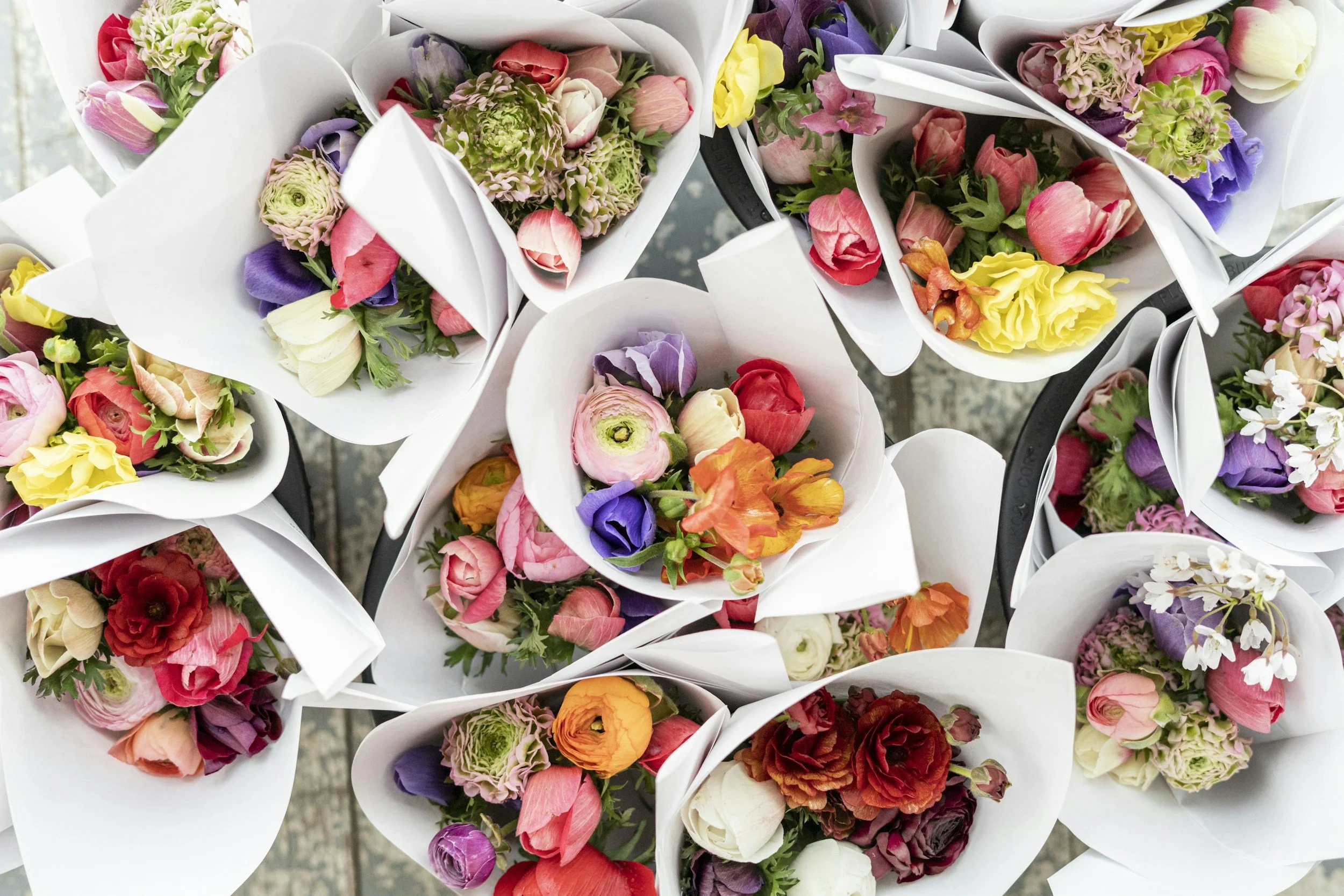
Mother’s Day is just under a month away.
For many organisations, it becomes a moment of appreciation. But this year offers an opportunity to recognise something deeper: the growing pressure on women who are caring both up and down the generations.
The sandwich generation is no longer a sociological footnote. It is a workforce reality.
Mother’s Day is just under a month away.
For many organisations, it becomes a moment of appreciation. But this year offers an opportunity to recognise something deeper: the growing pressure on women who are caring both up and down the generations.
The sandwich generation is no longer a sociological footnote. It is a workforce reality.
Historian and generational researcher Dr Eliza Filby has written extensively about how longer life expectancy, delayed motherhood and dual income households have reshaped modern family life. Women are having children later. Parents are living longer. The overlap between childcare and eldercare is increasing.
For many mid career women, that means:
School logistics and homework
Hospital appointments and prescriptions
Financial and emotional support for ageing parents
Full professional workloads
This is not poor time management. It is demographic change.
The hidden workplace impact
The burden of care is often invisible, but its impact is not.
Burnout rises. Absenteeism increases. Leadership pipelines narrow. Highly capable women step back, not because they lack ambition, but because the load becomes unsustainable.
Corporate wellness that focuses only on resilience or surface engagement misses this structural pressure point.
If wellbeing strategies are to be credible in 2026, they must respond to real life.
Why Mother’s Day is a strategic moment
With just weeks to go, Mother’s Day offers a powerful entry point into a wider conversation about caregiving at work.
Recognition builds trust. Support builds retention.
Organisations that acknowledge the sandwich generation signal that they understand the complexity many employees are navigating. That means:
Normalising eldercare conversations
Embedding flexible working without penalty
Recognising caregiving within diversity and inclusion strategy
Creating genuine opportunities for nervous system reset during the working day
Turning appreciation into action
In office wellbeing activations around Mother’s Day can move beyond symbolism.
At Pamper Puff, our Desk Retreat experiences are designed to create structured moments of pause. Chair massage helps regulate stress. Nail bars create connection. Creative workshops offer cognitive reset.
For someone balancing multiple generations of care, even small restorative interventions can make a meaningful difference.
With under a month to go, now is the time to secure your Mother’s Day booking. Dates fill quickly, particularly across London and multi site teams.
Mother’s Day can be more than a gesture.
It can be a statement that your organisation recognises the hidden burden of care and is prepared to support the people carrying it.

February Focus: How Reducing Workplace Loneliness Can Improve Performance
Loneliness at work is increasingly recognised as a corporate wellbeing and performance issue, not a personal one. Even in busy offices, employees can feel disconnected, unseen, or isolated, particularly in hybrid, fast-paced, or high-pressure workplaces.
February offers a useful moment to reset. It provides an opportunity to prioritise connection, belonging, and employee engagement.
This matters because workplace loneliness has clear implications for productivity, collaboration, retention, and overall wellbeing.
Research from Gallup shows that around one in five employees globally report feeling lonely at work, with higher rates among younger workers and those in hybrid roles. Analysis published in Harvard Business Review and MIT Sloan Management Review links workplace loneliness to:
lower employee engagement
reduced collaboration
decreased job satisfaction
higher turnover and absenteeism
Effective corporate wellness strategies therefore focus on intentional connection, not one-off perks. The most successful initiatives are inclusive, repeatable, and embedded into the working day.
Below are practical, evidence-informed approaches organisations can take.
Creative workshops that encourage shared focus
Creative activity is a powerful driver of workplace connection. When employees make something together without pressure or performance metrics, hierarchy softens and conversation flows more naturally.
Life drawing with Frances Costelloe offers a strong example. Drawing side by side creates a shared point of focus, making interaction feel easy rather than forced. Participants consistently report feeling:
calmer and more present
more open in conversation
more connected to colleagues outside their usual teams
Beyond life drawing, creativity workshops such as painting, collage, or mixed-media sessions draw on principles commonly used in art-therapy-informed practices. These include expression, reflection, and non-verbal communication.
Evidence reviewed by the What Works Centre for Wellbeing highlights the role of arts and cultural participation in reducing loneliness and supporting social connection.
While these sessions are not therapy, they use creativity as a tool to support emotional regulation, inclusion, and team cohesion.
Human-centred wellness and informal conversation
Connection does not always come from structured discussion or team-building exercises. Often it emerges through quiet, human moments.
On-site massage and nail treatments create an environment where connection happens naturally. When employees sit down for a short treatment:
the pace of the day slows
informal conversation emerges organically
people feel seen and cared for
These experiences are particularly effective because they are:
inclusive and accessible
low pressure and non-performative
suitable for a wide range of employees
Research into workplace wellbeing consistently shows that shared experiences and informal interaction play a key role in reducing isolation and improving employee satisfaction, particularly in hybrid or desk-based roles.
Movement practices that build collective presence
Loneliness is not only emotional. It is often experienced physically, especially in sedentary, screen-heavy work environments.
Yoga and Pilates sessions delivered in the workplace support both physical wellbeing and social connection. Moving together, even quietly, fosters a sense of shared rhythm and collective presence.
Studies examining group movement and mind-body practices show benefits for:
stress reduction
emotional regulation
perceived social connection
overall workplace wellbeing
These practices are especially effective when they are accessible, non-competitive, and integrated into the working day.
Small, repeatable habits that normalise connection
Not every connection needs to be a large-scale initiative. In many workplaces, it is the regular, low-pressure moments that make the biggest difference.
Organisations can support connection by embedding:
short creative or movement breaks
rotating small-group workshops
intentional moments away from desks that feel purposeful
When connection becomes part of the rhythm of work rather than an occasional event, it strengthens workplace culture, engagement, and retention.
Closing thought
Reducing workplace loneliness does not require grand gestures. It requires intentional design. Creating environments where people can connect naturally, creatively, and without pressure.
This February, investing in connection is not just a wellbeing initiative. It is a practical, evidence-informed step towards more engaged, resilient, and human workplaces.

Time to Talk Day 5 February: A Practical Guide for HR and People Leaders
Time to Talk Day on 5 February is a useful prompt for workplaces to pause and reflect on how conversation really functions day to day. Not just whether people are encouraged to talk, but whether the environment genuinely supports it.
Time to Talk Day on 5 February is a useful prompt for workplaces to pause and reflect on how conversation really functions day to day. Not just whether people are encouraged to talk, but whether the environment genuinely supports it.
For HR teams and people leaders, the question is not whether talking matters. It is how to make it possible in a way that feels safe, consistent, and meaningful.
Why talking still feels difficult at work
Most employees do not struggle to express themselves. What they often struggle with is knowing when and where it is appropriate to do so.
In many organisations, there is still an unspoken pressure to appear capable at all times. Stress is normalised. Fatigue is minimised. Asking for support can feel like a professional risk.
As a result, people stay quiet. Concerns build gradually, and by the time they surface, they are often harder to address.
Time to Talk Day exists because this pattern is still common.
Conversation works best when it is built in
One off campaigns rarely change behaviour on their own. What does make a difference is repetition and structure.
When talking is built into the rhythm of work, it stops feeling like an exception. It becomes part of how teams operate.
For HR teams, this means focusing less on symbolic gestures and more on practical, repeatable actions.
A practical guide for HR: how to implement Time to Talk Day well
1. Create low pressure entry points
Not everyone wants to talk in a group or in public. Offer options. This could include quiet spaces, optional check ins, or anonymous prompts that invite reflection without forcing participation.
2. Equip managers, not just employees
Line managers are often the first point of contact, yet many feel underprepared to hold wellbeing conversations. Simple guidance on listening, signposting, and boundaries can make a significant difference.
3. Use facilitation to remove awkwardness
External facilitators, wellness practitioners, or coaches can help create neutral ground. This often allows people to open up more easily than in internal settings where hierarchy is present.
4. Focus on prevention, not crisis
Position conversations as part of staying well, not as a response to something going wrong. This reduces stigma and encourages people to speak earlier.
5. Follow up after the day itself
Time to Talk Day should act as a starting point. Schedule future touchpoints so the message does not disappear once the calendar moves on.
Where coaching fits in
Coaching plays a valuable role in workplace wellbeing because it sits between performance and personal support.
Unlike therapy, coaching is future focused and practical. It gives individuals space to reflect, build self awareness, and develop tools for managing stress, workload, and boundaries.
For organisations, coaching can:
support employees who are under pressure but still functioning
help managers lead with more confidence and empathy
reduce burnout by addressing issues early
improve communication and decision making
When offered as part of a wider corporate wellness approach, coaching helps normalise talking without requiring people to be in crisis.
The role of corporate wellness
Corporate wellness is most effective when it creates the right conditions for conversation to happen naturally.
At Pamper Puff, we work with organisations to provide experiences and support that help people slow down enough to check in with themselves and with each other. That might be through calming, grounding sessions, coaching, or facilitated wellbeing moments that fit into the working day.
These interventions are not about fixing people. They are about supporting nervous systems, reducing pressure, and making space for clearer communication.
Making Time to Talk Day count
Time to Talk Day on 5 February is an opportunity to reflect on how your organisation handles wellbeing conversations in practice.
Ask simple questions:
Do people feel safe to speak up early
Are managers supported to listen well
Is there follow through when concerns are raised
Healthy workplace cultures are built through consistency, not campaigns alone.
Making space to talk is important. Keeping that space open throughout the year is where real impact happens.

Why Booking Wellness for the Full Financial Year Saves You Money
At Pamper Puff, we offer discounted rates for clients who book wellness programmes across the full financial year. Annual bookings mean:
Better value per session
Priority scheduling
A tailored plan designed around your business rhythms
Whether it is desk-side massages, office nail bars, creative workshops or restorative reset sessions, booking ahead allows us to deliver more for less.
Wellness budgets are under more scrutiny than ever. Teams are being asked to do more with less, while burnout, stress and disengagement continue to rise. Supporting employee wellbeing does not have to mean reactive, last-minute spending or inflated one-off costs.
The most effective and cost-efficient approach is booking wellness strategically across the full financial year.
The hidden cost of ad-hoc wellness
Booking wellness activations one at a time might feel flexible, but it is often more expensive in the long run. Peak-period pricing, limited availability and rushed decision-making all add up. There is also the softer cost. When wellbeing feels sporadic or tokenistic, it delivers far less impact.
Wellness works best when it is consistent, visible and planned, not squeezed in when things are already at breaking point.
Why annual planning makes financial sense
Planning your wellness calendar for the full financial year allows you to:
Spread spend evenly across quarters
Avoid premium pricing for last-minute bookings
Secure availability before diaries fill up
Build a programme that supports teams at predictable pressure points
Instead of scrambling around Blue Monday, summer burnout or year-end fatigue, your wellbeing calendar is already doing the work for you.
Better value with yearly bookings
At Pamper Puff, we offer discounted rates for clients who book wellness programmes across the full financial year. Annual bookings mean:
Better value per session
Priority scheduling
A tailored plan designed around your business rhythms
Whether it is desk-side massages, office nail bars, creative workshops or restorative reset sessions, booking ahead allows us to deliver more for less.
Consistency that supports performance
Regular, planned wellbeing is not just a nice-to-have. It helps reduce absenteeism, supports retention and improves morale. When employees know support is coming consistently, not just during crisis moments, trust and engagement grow.
From a leadership perspective, this also means clearer budgeting, stronger ROI and fewer reactive decisions.
Plan once. Benefit all year.
If you are planning budgets for the new financial year, now is the ideal time to rethink how wellbeing fits in. Booking wellness annually is not just more cost-effective, it is more impactful.
Contact us now to discuss annual wellness bookings and secure discounted rates for the year ahead.

Not a Fresh Start Yet: Why Corporate Wellbeing Works Better When We Follow the Year’s Real Rhythm
January is often treated as a reset. New goals, new strategies, new energy. But in reality, January is still winter and most teams feel it.
From a corporate wellbeing perspective, pushing for momentum too early can increase fatigue, disengagement and burnout before the year has properly begun.
January is often treated as a reset. New goals, new strategies, new energy. But in reality, January is still winter and most teams feel it.
From a corporate wellbeing perspective, pushing for momentum too early can increase fatigue, disengagement and burnout before the year has properly begun.
The January disconnect
Employees often return from an intense end of year period and are expected to perform as if it is a clean slate. Low energy, limited daylight and residual stress create a mismatch between how people feel and how organisations plan.
This is why many January wellbeing initiatives fail to land.
January is for intention, not intensity
Most businesses do not truly begin in January. Strategy, budgets and growth tend to follow the financial year, with real momentum building in spring.
January works best as a foundation month. A time to reflect, reset and set intentions for how teams want to work before deciding what they need to deliver.
This approach supports psychological safety and helps prevent burnout later in the year.
A healthier rhythm into spring
A more sustainable corporate wellbeing rhythm looks like this:
January reflection and wellbeing check ins
February alignment and gentle re engagement
Spring growth, delivery and momentum
Where Pamper Puff fits
At Pamper Puff, January is about setting the tone rather than raising the tempo.
We focus on intention setting, coaching and preventative wellbeing to support teams before stress becomes burnout. Through guided intention sessions, coaching and calming in office wellbeing experiences, we help employees regulate, gain clarity and build resilience early in the year.
When teams are supported in winter, they arrive in spring focused, energised and ready to perform.
Corporate wellbeing works best when it follows the rhythm people are actually living in, not just the calendar.

Working mums at Christmas: when “time off” isn’t actually time off
For a lot of mums, the end-of-year break doesn’t mean switching off. It just means switching roles.
By the time December rolls around, many working mums are already running on empty.
Work hasn’t slowed down. School calendars are full. Childcare shifts. Mental load doubles. And somehow, Christmas is meant to feel restful.
For a lot of mums, the end-of-year break doesn’t mean switching off. It just means switching roles.
Work emails are replaced with logistics. Deadlines become to-do lists. “Time off” becomes a different kind of labour — invisible, unpaid, and emotionally demanding.
The hidden pressure of the festive period
There’s an unspoken expectation that Christmas should be joyful, calm, and full of quality time. When reality doesn’t match that picture, guilt creeps in.
Many working mums tell us that work can actually feel like the only place they sit down uninterrupted. The only space where they finish a thought. The only place they are “just themselves”, not needed by five people at once.
That doesn’t mean they don’t love their families. It means they’re tired.
Why workplace wellbeing matters more in December
End-of-year wellbeing is often treated as optional. A “nice to have” once the real work is done.
But December is when pressure peaks, not eases.
Supporting working mums at this time doesn’t require grand gestures. It means recognising reality:
That burnout doesn’t politely wait until January
That flexibility, pauses, and small moments of care actually matter
That wellbeing isn’t about productivity, but sustainability
A short break. A moment of touch, creativity, or quiet. These aren’t indulgences — they’re regulation.
What real support looks like
At Pamper Puff, we work with (and are) working mums. We see first-hand how meaningful small interventions can be during the festive period.
Turning a break room into a calm space for an hour. Offering chair massage, nails, or a creative session that allows people to switch off without leaving the office. Making care accessible, not performative.
It sends a simple message: you are seen, and you don’t have to push through everything alone.
Ending the year with intention
Christmas doesn’t need to be louder, bigger, or more exhausting.
Sometimes the most supportive thing a workplace can do is create space to pause — especially for those who are holding everything together.
As we move into the new year, we hope more companies rethink what end-of-year care really looks like. Not as a reward for surviving, but as part of how we work.
Planning Your Workplace Wellness Calendar for 2026
Workplace wellbeing works best when it’s planned with intention, not panic-booked when burnout hits. For HR and People teams, mapping the year ahead allows wellness to become part of company culture rather than a one-off perk.
Key mental health dates and how to support your teams meaningfully
For HR and People teams, the most effective wellbeing programmes are planned, not reactive. Anchoring wellness activity to recognised mental health and wellbeing dates allows support to feel intentional, timely, and genuinely useful rather than tokenistic.
Below is a practical guide to key wellbeing moments in 2026, alongside the types of workplace wellness that truly support nervous system regulation, mental clarity, and connection.
January: Blue Monday and the post-holiday dip
Blue Monday: Monday 19 January 2026
January is a month of low energy, high pressure, and quiet anxiety. Blue Monday doesn’t need hype or humour. Used well, it’s an opportunity to offer steadiness.
What works
Chair massage to release physical tension and fatigue
Gentle yoga or guided movement suitable for all bodies
Sound baths to support deep rest and nervous system regulation
One-to-one coaching sessions focused on grounding rather than goal-setting
What to avoid
“New year, new you” messaging
Productivity or weight-loss framing
In January, wellbeing is about reassurance and care, not self-optimisation.
February: Time to Talk Day
Time to Talk Day: Thursday 5 February 2026 (TBC)
This day is about normalising conversations around mental health, not forcing vulnerability.
What works
Art therapy workshops that allow expression without verbal disclosure
Still life and creative focus sessions that support calm attention
Optional coaching drop-ins for reflection and emotional processing
Creative and reflective wellbeing allows people to engage at their own depth.
March: Stress Awareness Month
Stress Awareness Month: All of March
March is an ideal time to introduce preventative wellbeing before stress accumulates.
What works
Ongoing chair massage sessions rather than one-off events
Yoga, mobility, or breath-focused classes to reduce physical stress patterns
Coaching sessions that help employees identify stress early
Consistency here matters more than scale.
May: Mental Health Awareness Week
Mental Health Awareness Week: 11–17 May 2026 (TBC)
This is one of the most visible wellbeing moments of the year, which makes thoughtful programming essential.
What works
A mix of physical and mental wellbeing offerings
Sound baths paired with restorative yoga
Art therapy or still life workshops to support focus and emotional regulation
Avoid overcrowded schedules. One or two well-held sessions are far more impactful.
June: Loneliness Awareness Week
Loneliness Awareness Week: 15–21 June 2026 (TBC)
Loneliness in the workplace is often subtle, particularly in hybrid teams.
What works
Small-group art therapy or creative workshops
Still life sessions that create shared focus without forced interaction
Group sound baths that offer collective calm
Connection doesn’t have to mean conversation. Shared presence is often enough.
September: World Suicide Prevention Day
Thursday 10 September 2026
This is a sensitive date that requires care and professionalism.
What works
Grounding activities such as chair massage and sound baths
Gentle yoga or breathwork to support regulation
Coaching sessions framed around support and signposting, not solutions
Less is more. Calm, supportive wellbeing is most appropriate here.
October: World Mental Health Day
Saturday 10 October 2026
Although it falls on a weekend in 2026, many organisations mark the surrounding week.
What works
A full or half-day wellbeing programme combining massage, movement, and creativity
Art therapy and still life workshops to reinforce mental wellbeing beyond talk
Coaching sessions that support long-term resilience
This is an ideal moment to reinforce that wellbeing is ongoing, not seasonal.
November: Preventing end-of-year burnout
Key focus: Regulation and fatigue management
November is one of the most impactful times to intervene, even without a specific awareness day.
What works
Chair massage blocks across departments
Sound baths to counter overstimulation
Gentle yoga and creative workshops to reduce cognitive load
Supporting teams here significantly reduces December burnout and absenteeism.
December: Ending the year with care
December wellbeing works best when it offers an alternative to excess and exhaustion.
What works
Daytime wellbeing events
Chair massage, nail care, or calming creative workshops
Sound baths or still life sessions as an alternative Christmas social
Ending the year with care leaves a lasting impression into the next one.
A more thoughtful approach to workplace wellbeing in 2026
Effective wellbeing planning means:
Anchoring activity to recognised mental health dates
Supporting both mental and physical regulation
Offering a range of engagement styles (movement, creativity, reflection)
Keeping everything optional, inclusive, and pressure-free
Wellbeing isn’t about fixing people. It’s about creating environments where people can regulate, recover, and feel supported.
Turning Blue Monday Into a Fresh Start
Blue Monday does not need to be the lowest point of the year. It can be the moment a workplace decides to reset and take wellbeing seriously. A small investment in how people feel has a real impact on how teams collaborate, communicate and show up.
Every January we hear the same thing. Blue Monday is coming. Morale will drop. Everyone will feel tired, flat and stretched thin. It has become an annual prophecy of gloom.
The truth is far simpler. People are not struggling because of a date on the calendar. They are struggling because the return to work after Christmas is abrupt, busy and often unsupported. That is something companies can change.
Blue Monday does not need to be the lowest point of the year. It can be the moment a workplace decides to reset and take wellbeing seriously. A small investment in how people feel has a real impact on how teams collaborate, communicate and show up.
Why Blue Monday Hits Hard
January brings pressure. Deadlines resume. Inboxes fill. Days are short. Energy is slow. Most people return after the holidays with good intentions but not enough fuel. Without space to pause and recalibrate, stress rises quickly.
A wellbeing intervention at the right moment interrupts this cycle. It tells staff that support is available and that their health is not an afterthought.
Turn Blue Monday Into a Beginning
You can shift the entire tone of January by giving your team one thing: permission to feel better. This looks different for every workplace. Some teams need calming treatments. Some need a moment of human connection. Others need a structured reset.
At Desk Retreat we have seen how even ten minutes of care transforms the room. Shoulders drop. People breathe differently. Conversations soften. Small acts of wellbeing create noticeable cultural change.
What Works
Mini Massage Sessions
Helps ease tension from winter working and long laptop hours. Most people carry more stress in their upper back and jaw than they realise.
Nail Bars and Hand Care Stations
Quick to set up in any meeting room. Creates instant uplift and gives staff a chance to pause, chat and feel looked after.
Mindfulness Breaks
Short guided sessions help regulate the nervous system. They can mark the beginning of a healthier working rhythm for the whole quarter.
Wellness Drop-Ins
An easy option for hybrid teams. Staff join when they need support, and it ensures no one feels left behind.
The Ripple Effect
When staff feel cared for in January, they carry that energy through the rest of the year. Retention improves. Engagement rises. Team culture strengthens. You replace survival mode with something more sustainable.
Blue Monday becomes a day people look back on as the turning point.
Start the Year With Intention
If you want your workplace to feel more grounded, more human and more energised in 2026, now is the time to plan it. Booking early ensures your team gets the support they need when it matters most.
Desk Retreat offers flexible sessions for Blue Monday and January wellbeing. Everything is designed to be simple to book and easy to run in the smallest of spaces.
A better year begins with one intentional moment.
Ready to support your team? Get in touch to book your January wellbeing session.
Come See Us at the Wine & Wean Christmas Fete
If your group chat is already asking “What are we doing before Christmas?”, here’s an easy answer. We’re starting the month with one of our favourite community events of the year: the Wine & Wean Christmas Fete at Big Penny Social.
If your group chat is already asking “What are we doing before Christmas?”, here’s an easy answer. We’re starting the month with one of our favourite community events of the year: the Wine & Wean Christmas Fete at Big Penny Social.
3 December — Wine & Wean Christmas Fete at Big Penny Social
Whether you’re a seasoned Weaner, a first-time parent, or simply someone who enjoys a festive afternoon that doesn’t involve fluorescent lighting, this event is a gentle, genuinely joyful way to ease into December.
Expect a relaxed, family-friendly Christmas market with thoughtful stalls and a warm, calm atmosphere.
What’s Pouring
A curated lineup of four wines
Paired with four festive cheeses
Expect elegant, easy-drinking bottles that work just as well with a pram in tow as they do with a snack plate.
Pop-Up Stalls
Browse slowly, shop small, and discover things people genuinely want. This year’s stalls include:
OR Collective – sustainable, design-led clothing and accessories
Mini Garms Gang – children’s clothing and preloved favourites
Talou – beautifully crafted accessories and gifts
Pamper Puff – our mini nail bar offering quick, fuss-free manicures
Why We Love It
Wine & Wean has become a real pocket of calm in the festive rush: a place to sip, browse, chat, and take a moment. Think prams everywhere, babies snoozing through cheese tastings, and parents managing pastries in one hand while getting their nails done.
The Details
Tuesday 3 December
Big Penny Social, Walthamstow
A gentle, feel-good way to start the festive season. Come find us, say hello, and enjoy a moment of calm.
Start As You Mean To Go On: A Practical Guide to Ending the Year Right
The end of the year offers a natural pause point. It is one of the most effective times for HR and People teams to help staff gain closure, reflect on progress and prepare for a healthier, more productive start in January.
The end of the year offers a natural pause point. It is one of the most effective times for HR and People teams to help staff gain closure, reflect on progress and prepare for a healthier, more productive start in January.
Below is a practical, research supported framework to help your workplace end the year well.
1. Create a Sense of Achievement with Group Reflection
Teams often move too quickly to acknowledge progress. Structured reflection builds motivation, reduces stress and strengthens team connection.
Group Activities HR Can Run
Wins Workshop
Each person lists three achievements and shares in small groups. Research from the American Psychological Association highlights that reflective practice helps build resilience, problem solving and a sense of meaning.Stop, Start, Continue Board
• Stop (habits that drained time and energy)
• Start (habits that would support wellbeing and productivity)
• Continue (what worked well this year)Gratitude Circle
Everyone shares one thing they appreciated about a colleague, project or moment. Studies from the American Psychological Association show that gratitude practices improve mood and reduce stress.
2. Encourage Individual Reflection to Clear Mental Clutter
Reflection helps employees start January with more clarity and less overwhelm.
Provide a Simple Reflection Template
What drained my energy this year
What supported my wellbeing
What helped my productivity
What slowed me down
What I want to leave behind
What I want more of next year
Research from Harvard Business School shows that reflection improves learning speed, decision making and overall performance.
3. Host a Team Reset Session
A reset session aligns expectations before the new year begins and reduces the January scramble.
Include the Following
Review accomplishments
Identify bottlenecks and stress points
Agree on priorities for next year
Decide on one supportive habit to implement in January
Clarify communication boundaries
Team reflection supports psychological safety, as outlined by the Centre for Creative Leadership.
4. Make Wellness Part of Productivity Planning
Wellbeing supports cognitive function, focus, problem solving and long term output.
Ways HR Can Embed Wellness into Next Year
Monthly wellness touchpoints
Stretch and movement breaks in long meetings
Protected focus blocks
Restorative quiet spaces for decompression
On site massage during peak pressure
Guided micro breaks in team schedules
Workplace massage has been shown to reduce anxiety, lower blood pressure and improve mood in studies published on ResearchGate.
Short movement breaks improve attention and reduce the effects of sedentary work, according to the CDC.
5. How Desk Retreat Supports End of Year Closure
Pamper Puff and Desk Retreat integrate seamlessly into HR-led reflection and planning days.
Ways to Include Us
Wellness stations during workshops to help teams feel grounded
Mini massage or hand treatments between strategy sessions to improve focus
End of year restorative events that help staff decompress
New Year wellbeing kickoffs combining habit setting with on site treatments
Our services support calm, presence and concentration, making reflective work more meaningful.
6. Close the Year with Intention
Ending the year well does not require extensive programming. It requires structure, recognition and accessible wellness support.
Teams that close the year feeling appreciated and reset begin January with clarity, energy and purpose.
If you would like help designing your end of year wellness programme or January reset, Desk Retreat can support your team every step of the way.